
Understanding the Psychology of Bluffing
Bluffing in poker is not merely a tactic; it’s an intricate psychological maneuver that requires an understanding of human behavior. Players must be able to read their opponents’ reactions and anticipate their thought processes. For instance, an experienced player will often observe their rivals’ body language, facial expressions, and betting patterns to gauge whether a bluff might succeed. Additionally, those who enjoy games of chance often find the best online pokies australia to be a thrilling way to test their luck and skills. This level of observation is essential, as successful bluffing depends on convincing others that you hold a stronger hand than you actually do.
The psychology of bluffing involves a delicate balance between confidence and deception. A player who appears nervous or unsure is less likely to persuade others to fold their hands. Consequently, honing one’s ability to project a calm and collected demeanor can enhance bluffing effectiveness. Players often practice various strategies, employing confidence-building techniques such as positive self-talk and visualization to overcome the anxiety that can accompany such risky moves.
Moreover, considering the types of players at the table can greatly affect bluffing success. Aggressive players may call a bluff more readily, while passive players might be more susceptible to folding under pressure. Understanding these nuances gives a player the upper hand, allowing them to tailor their approach based on the specific dynamics of the game. By mastering the psychological aspects of bluffing, players can increase their chances of winning, even with a weak hand.
Recognizing the Right Moments to Bluff
Timing is crucial when it comes to bluffing in poker. Knowing when to execute a bluff can mean the difference between winning and losing a hand. Players should look for moments of opportunity; for example, when the board presents favorable community cards that imply strong hands are possible. This creates an environment where opponents might be inclined to fold weaker hands, thinking they are outmatched. Additionally, understanding the betting patterns of your opponents can signal ripe moments for bluffing.
A common scenario where bluffing can be effective is after a misread by your opponents. For instance, if you notice players displaying confidence in their hands and then suddenly hesitant to bet, that might indicate they are uncertain. Seizing that moment to bluff can capitalize on their hesitation and lead to significant pot victories. However, bluffing too often or in predictable situations can render it ineffective; variation in strategy is key to keeping opponents guessing.

Another aspect to consider is your own position at the table. Bluffing from an early position may be riskier since more players have the opportunity to act after you. In contrast, bluffing from a late position allows you to observe your opponents’ moves before making a decision. Overall, mastering the timing of your bluffs in conjunction with your understanding of the game dynamics is essential for a successful poker strategy.
Building a Fearless Table Image
Establishing a fearless image at the poker table can greatly enhance your bluffing power. When players come to see you as a formidable opponent, they may fold more often because they fear the consequences of calling your bets. To cultivate this reputation, consistency in your gameplay is critical; if you bluff too frequently, your opponents will quickly catch on and be less likely to fold in the future. Therefore, adopting a balanced approach of solid plays and well-timed bluffs is essential.
To strengthen this fearless image, consider playing a few strong hands aggressively. By doing this, you not only build your credibility but also create an atmosphere where your bluffs are more likely to be effective. Your opponents will be forced to respect your betting patterns and may second-guess their ability to determine whether you are bluffing or not. It’s this ambiguity that can lead to successful bluffs, as you create doubt in their minds.
Moreover, managing your emotions effectively is also vital for maintaining a fearless reputation. If players see you getting frustrated after a loss or overly excited about a win, they could exploit that emotional volatility. Keeping your composure and showing consistent behavior helps build a reputation that makes others wary of challenging your bets. As you develop this strong table presence, you will find that your bluffing becomes more potent over time.
Techniques to Enhance Your Bluffing Skills
Improving your bluffing skills can be achieved through various techniques that reinforce both strategy and psychological manipulation. One approach is to use storytelling, where you craft a narrative through your betting that suggests you are playing a strong hand. For example, if you raise aggressively after the flop, it convinces your opponents that you have a formidable hand, prompting them to fold. The key is to remain consistent with your story throughout the hand to avoid detection.
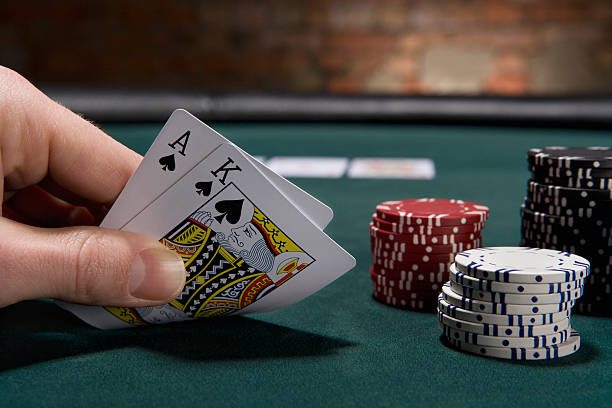
Another effective technique is to blend your bluffs seamlessly with your value bets. When players cannot distinguish between your bluffs and genuine strong hands, their ability to respond appropriately diminishes. This can be achieved by varying bet sizes and playing a mix of strong hands and bluffs that fit the same betting pattern. Additionally, studying the board texture and adapting your bluffs based on community cards enhances your capacity to fool opponents.
Practice is also crucial in developing your bluffing skills. Regularly engaging in online games or home games provides opportunities to test your bluffing strategies in different scenarios. Reviewing your play post-game can help identify successful bluffs and areas for improvement. Over time, as you refine your techniques and adjust your approach according to your experiences, bluffing in poker will become an instinctive part of your overall strategy.
Your Comprehensive Guide to Mastering Poker Strategies
For players looking to refine their poker skills, particularly in bluffing, continuous learning and practice are paramount. Every session at the table represents an opportunity to absorb lessons and adapt strategies. It’s essential to not only understand the mechanics of bluffing but also the psychological warfare that unfolds in the game. Developing your skills in these areas will not only empower you as a player but also enrich your overall poker experience.
Engaging with resources, such as articles, forums, and discussions with experienced players, can provide additional insights and perspectives. These interactions can deepen your understanding of the game and offer fresh strategies that you may not have encountered before. By staying informed and versatile in your approach, you can master the art of bluffing and elevate your poker game to new heights.
Ultimately, mastering the art of bluffing requires dedication, practice, and a keen understanding of both the game and your opponents. Each session offers valuable experience, and the more you play, the better your instincts will become. Remember, poker is not just a game of cards; it’s a game of strategy, psychology, and timing. Embrace the challenges and continuously refine your skills to become a formidable player at the table.